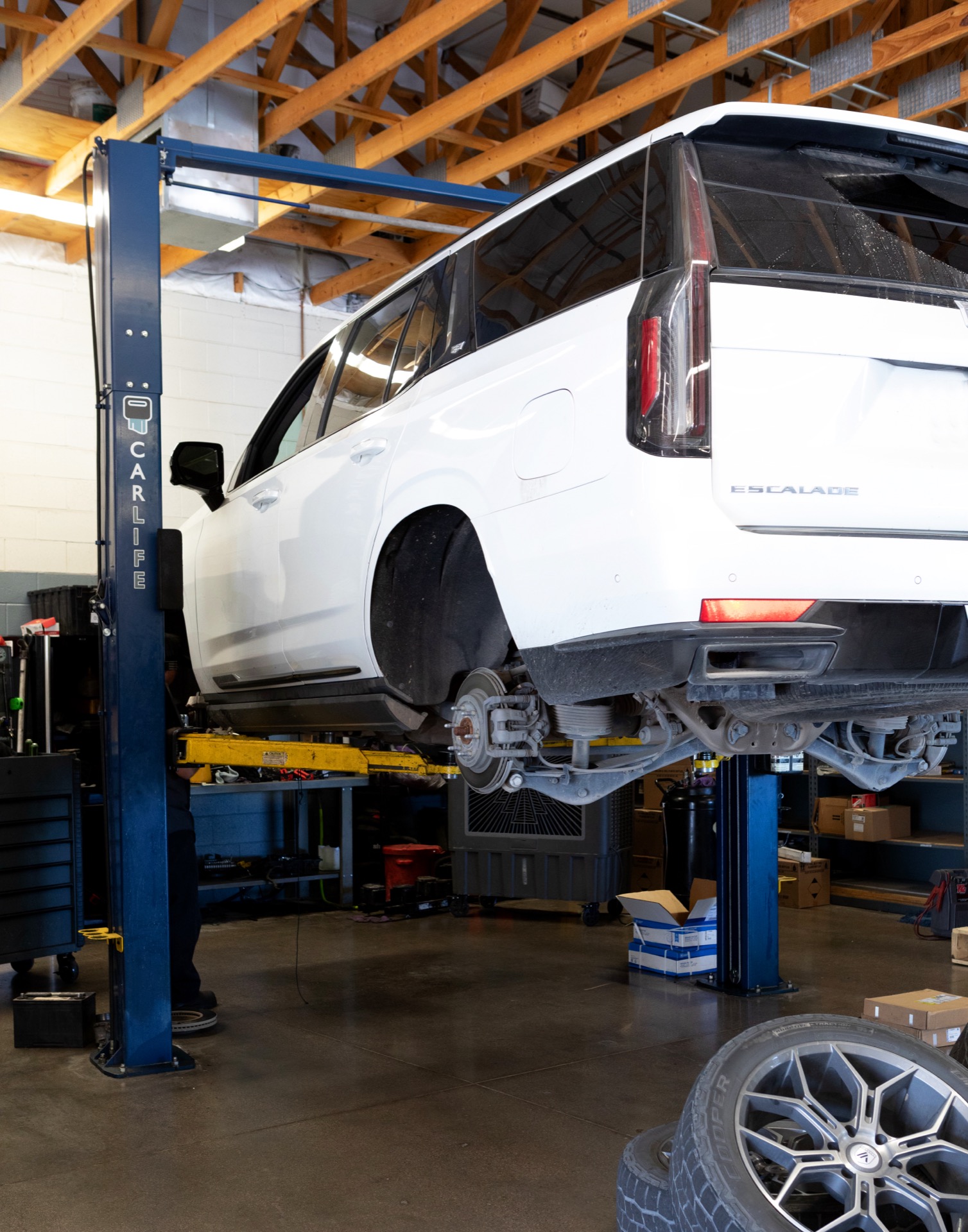
🚗 Why Your Shocks and Struts Are the Unsung Heroes of Your Ride

· Chief Financial Officer & Owner/Operator
· 1 min read
When most people think about car safety, they picture brakes or airbags—but your shocks and struts play a huge role too.
They keep your tires planted firmly on the road, give you control when stopping, and make your ride comfortable.
🔧 Shocks vs. Struts: What’s the Difference?
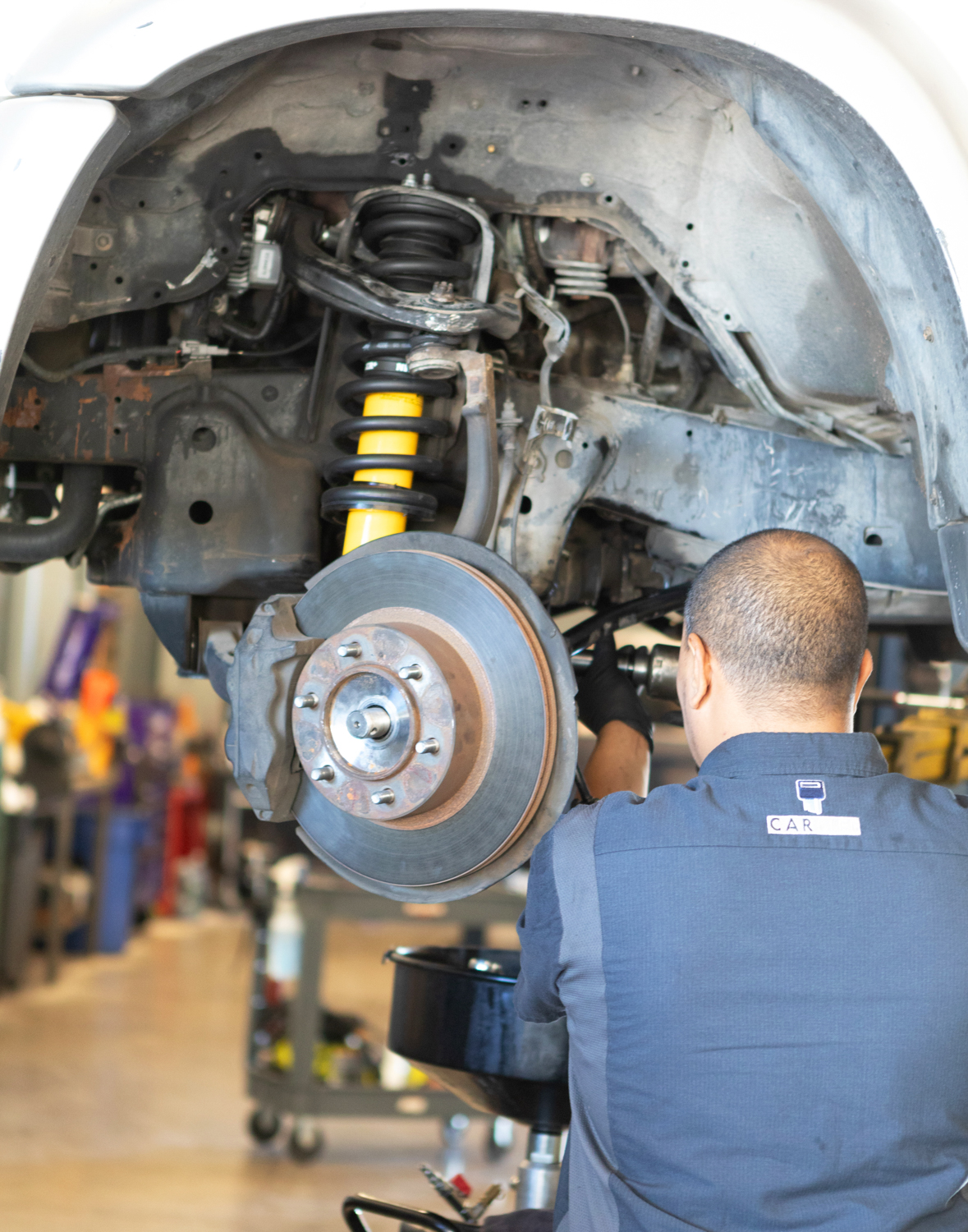
- Shocks (Shock Absorbers): Designed to absorb the “bounce” when you hit bumps or potholes. They help your tires maintain grip.
- Struts: Do everything a shock does but also serve as a structural part of your suspension, supporting the vehicle’s weight and alignment.
💡 Why “Leaking Struts” Don’t Leave a Puddle
One thing we hear at the shop all the time is:
“If my struts are leaking, why don’t I see fluid on the garage floor?”
Great question! Many modern struts are gas-charged. Instead of a big pool of liquid, they use pressurized nitrogen gas along with hydraulic oil. When seals wear out, you might not see obvious fluid on the ground—it escapes as a mist or slowly bleeds inside the strut housing. That’s why struts can be “leaking” even if your driveway looks bone-dry.
⚙️ Types of Shocks & Struts
- Twin-Tube Shocks: Common and cost-effective. They use hydraulic fluid to dampen movement.
- Gas-Charged Shocks/Struts: Contain nitrogen gas that reduces foaming in the fluid, giving you more consistent performance.
- Coil-Over Struts: Combine the spring and strut into one unit—common in modern cars and performance vehicles.
🚨 Signs You May Need New Shocks or Struts
- Excessive bouncing after hitting bumps
- Nose-diving or squatting when braking/accelerating
- Uneven tire wear
- A “floaty” or unstable feeling at highway speeds
✨ Bottom line: Healthy shocks and struts keep your car stable, your tires lasting longer, and your ride safe.

➡️ Don’t wait until your vehicle feels out of control—schedule a suspension inspection with CarLife Auto Repair today and drive with peace of mind! 🚙✨
- Car Life Auto Care Team